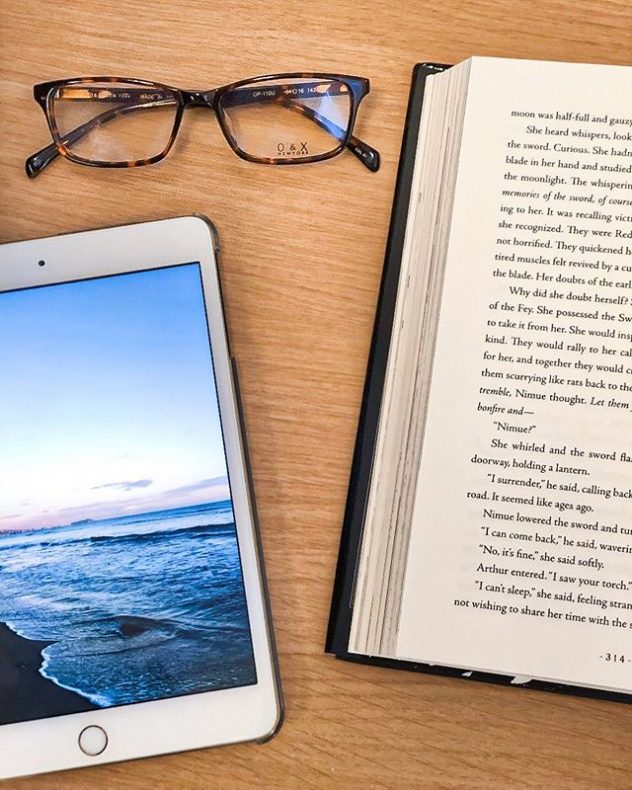
??. Every 20 minutes look 20 feet away for 20 seconds. A great rule that helps to minimize eye strain ? .
View on Instagram https://ift.tt/375QyBS

??. Every 20 minutes look 20 feet away for 20 seconds. A great rule that helps to minimize eye strain ? .

The American Optometric Association says to eat more fruits and vegetables, particularly green leafy vegetables to support good eye health. Source www.AOA.org
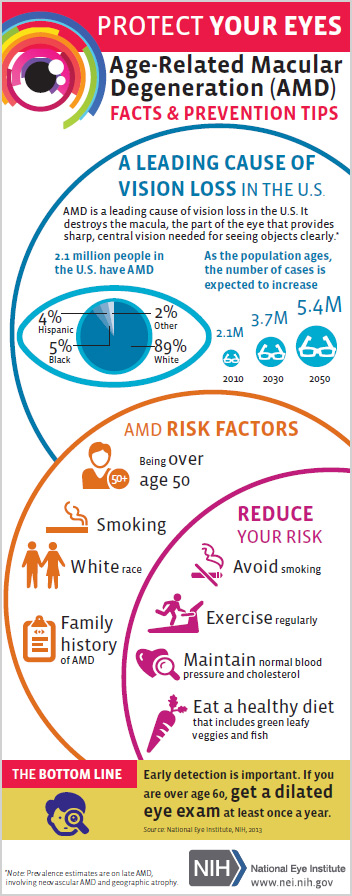
Age-Related Macular Degeneration (AMD) is a leading cause of vision loss in the U.S. It destroys the macula, the part of the eye that provides sharp, central vision needed for seeding objects clearly 2.1 million people in the U.S. have AMD. As the population ages, the number of cases is expected to increase. The risk factors for Age-Related Macular Degeneration are being over the age of 50, smoking, and family history for AMD. You can reduce your risk of developing Age Related Macular Degeneration by avoiding smoking. You can also reduce your risk of developing AMD by exercising regularly and maintaining a normal blood pressure and cholesterol levels. Also, you can reduce your risk by eating a healthy diet that includes leafy green vegetables and fish.
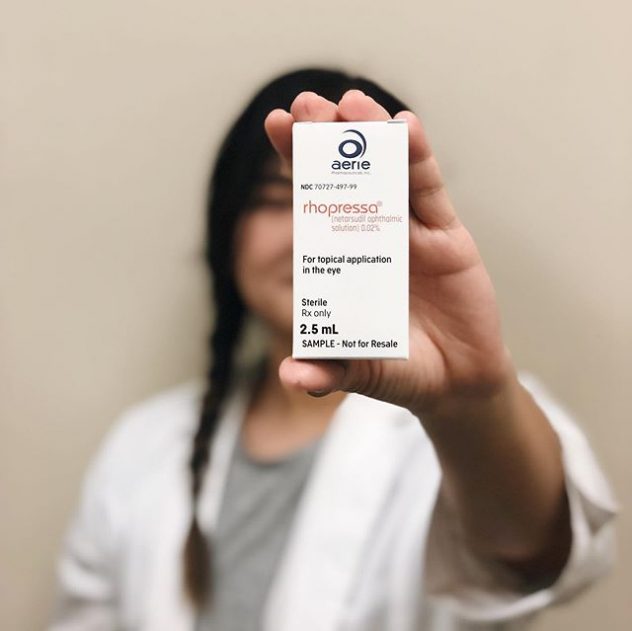
More than 3 million people in the US have glaucoma. Glaucoma has no symptoms and once vision is lost, it is permanent. To prevent it, come in and get a comprehensive eye exams with our docs! #alamoanaeye . . . #hawaii #oahu #honolulu #alamoana #alamoanacenter #hawaiioptometrist #optometrist #optical #eyeglasses #glasses #sunglasses #spectacles #eyewear #frame #eyecare #eyeexam #eyehealth #eyedisease #glaucoma #rhopressa #eyedrops
https://scontent.cdninstagram.com/v/t51.2885-15/sh0.08/e35/s640x640/79333131_1616523248490547_5676640944222446533_n.jpg?_nc_ht=scontent.cdninstagram.com&_nc_ohc=W91U5Lj5vGkAX_BtG1o&oh=679cc31f0f0ab8baa18dbabdf1a749c9&oe=5EAE694D
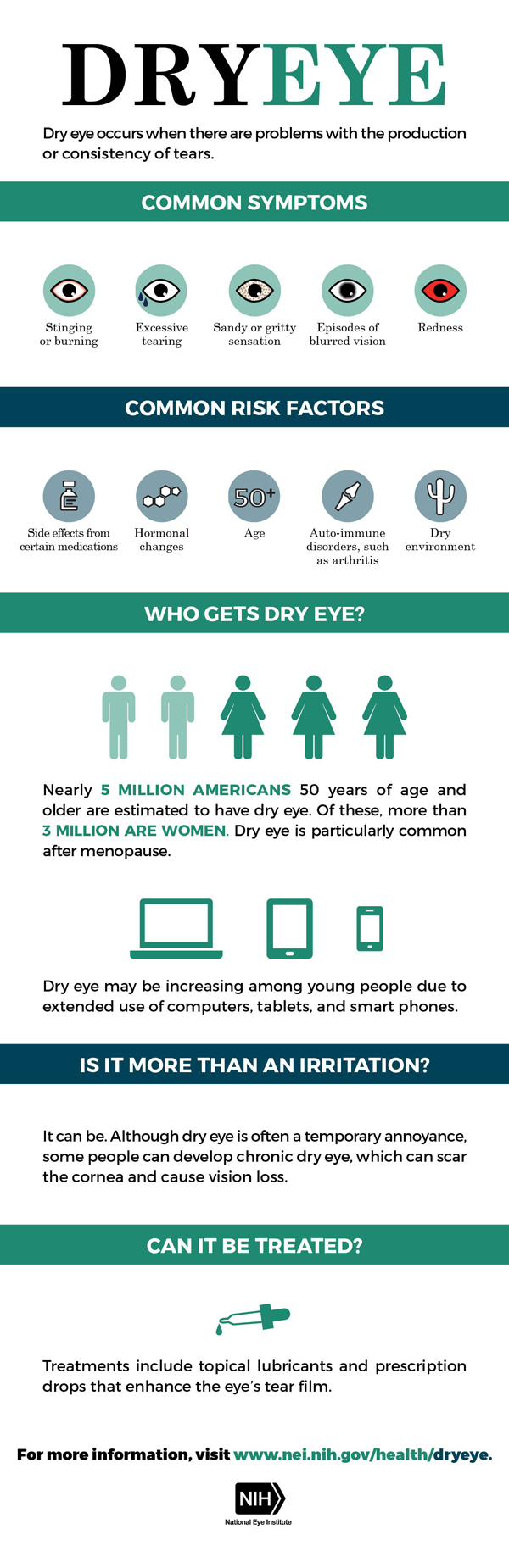 Common symptoms of dry eyes can be stinging or burning eyes. This can be accompanied with excessive tearing and a a sandy or gritty sensation; or episodes of blurred vision and redness. Some of the risk factors for dry eyes are age, hormonal changes, side effects from certain medications and auto-immune disorders, such as arthritis. Nearly 5 million Americans 50 years of age and older are estimated to have dry eye. Of these, more than 3 million are women . Dry eye is particularly common after menopause. Dry eye may be increasing among young people due to extended use of computers, tablets, and smart phones. Treatment include topical lubricants and prescription drops that enhance the eye’s tear film.

Regular physical activity comes with a lot of great benefits. It can boost your mood, reduce stress, help you stay at a healthy weight — and protect you from serious eye diseases!
Although it is only one day, it is a great start to bring awareness on blindness and vision impairment! So let us use this day to start a conversation about how we can help others with preventable vision impairment ? #alamoanaeye #worldsightday2019

If you spend a lot of time at the computer or on your phone, you may forget to blink — and that can tire out your eyes. Try using the 20–20–20 rule throughout the day: every 20 minutes, look away from the screen and focus about 20 feet in front of you for 20 seconds.
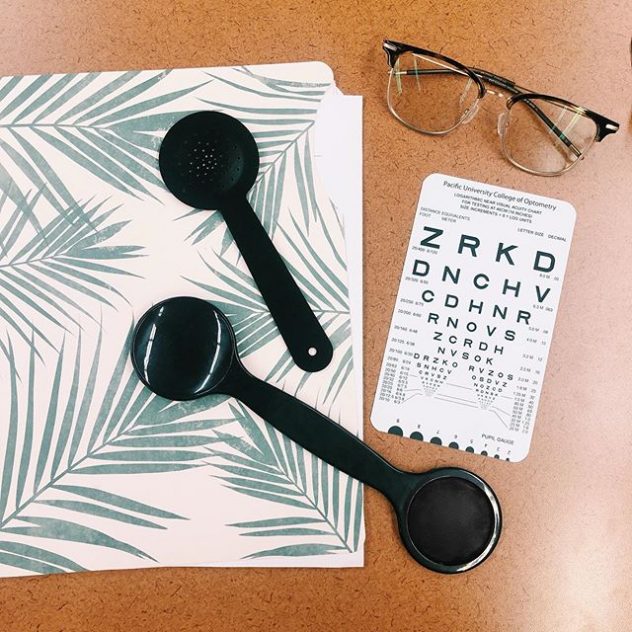
 Get plenty of physical activity
Regular physical activity comes with a lot of great benefits. It can boost your mood, reduce stress, help you stay at a healthy weight — and protect you from serious eye diseases!

Sunglasses can protect your eyes from the sun’s ultraviolet (UV) rays and help keep your vision sharp. When shopping for shades, look for a pair that blocks out at least 99% of both UVA and UVB radiation.

It’s true: carrots are good for your eyes! In fact, a diet rich in a variety of fruits and vegetables — especially dark leafy greens, like spinach or kale — can help keep your eyes healthy.
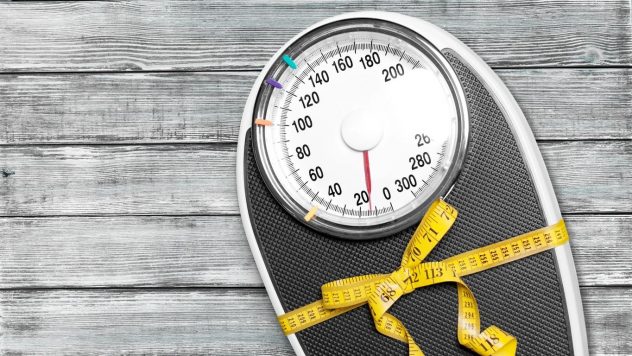
Being overweight or obese increases your risk of developing diabetes and other systemic conditions, which can lead to vision loss, such as diabetic eye disease or glaucoma. If you are having trouble maintaining a healthy weight, talk to your doctor.

Wear protective eyewear when playing sports or doing activities around the home. Protective eyewear includes safety glasses and goggles, safety shields, and eye guards specially designed to provide the correct protection for a certain activity. Most protective eyewear lenses are made of polycarbonate, which is 10 times stronger than other plastics. Many eye care providers sell protective eyewear, as do some sporting goods stores.

July Fourth is nearly here and everyone in Honolulu is looking forward to the fireworks.
According to the U.S. Consumer Product Safety Commission, at least five fireworks-related deaths were reported in 2018. An estimated 9,100 injuries due to fireworks were treated in hospital emergency rooms, the Centers for Disease Control and Prevention say. Of those, most injuries were from firecrackers, but sparklers and bottle rockets also were to blame. More than a third (36%) of the injuries were to children 15 years of age and under. Most of the injuries involved hands and fingers, the head (including face, eyes, and ears), legs and arms.
To help prevent eye injuries during fireworks season, we recommend the following tips to help protect and preserve eyesight during the Fourth of July holiday:
If an eye injury occurs, immediately seek medical attention from your local doctor of optometry or the nearest emergency room, You should refrain from rubbing their eyes or applying pressure. Don’t attempt to remove any objects that may be stuck in the eye, and avoid taking pain medications such as ibuprofen or aspirin that may thin the blood.”
With today’s medical advances, more and more people are living longer and celebrating good health: They are eating healthy foods, they are staying active, they are controlling their blood pressure and cholesterol levels, and they are not smoking.
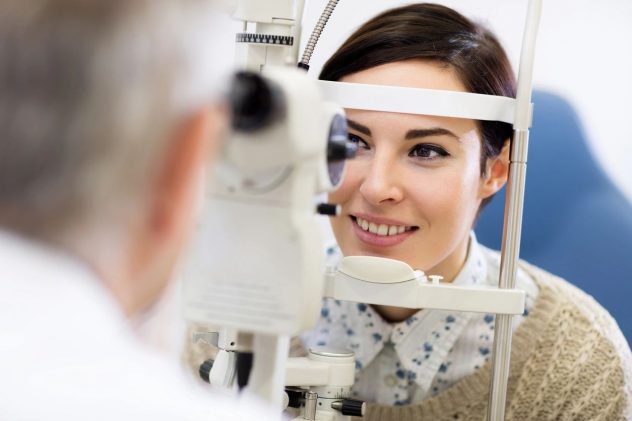 Practice good eye health … Make vision a health priority by seeing your eye care professional
Feeling good and living life to its fullest also means taking good care of your eyes. Even if you enjoy relatively good vision now, visiting your eye care professional once a year is the best thing you can do to care for your eyes. Getting an eye exam is more important now than ever before, because as you get older, you are at higher risk of developing several age-related eye diseases and conditions, including—
In their early stages, these diseases often have no warning signs or symptoms. In fact, the only way to detect them before they become serious and cause vision loss is through a comprehensive dilated eye exam. Fortunately, if your eye care professional catches and treats these conditions early, he or she can protect your eyesight.
A comprehensive dilated eye exam is important to maintain and protect healthy vision. During this exam, drops are placed in the eyes to dilate or widen the pupils (the round opening in the center of the eye). The eye care professional uses a special magnifying lens to examine the retina (the light-sensitive tissue at the back of the eye) and optic nerve (the bundle of fibers that send signals from the retina to the brain) for signs of damage and other eye problems.
In addition to seeing your eye care professional routinely, you can do the following things to protect your vision:
The National Eye Institute (NEI) is part of the National Institutes of Health and the federal government’s lead agency for vision research that leads to sight-saving treatments, and it plays a key role in reducing visual impairment and blindness. For more information, visit the NEI Website at www.nei.nih.gov