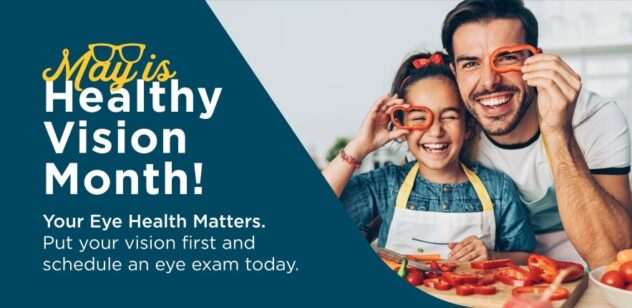
Keeping an eye on your eye health is essential! Here are some general symptoms to be mindful of:
Blurred or hazy vision.
Eye pain or discomfort.
Difficulty seeing at night.
Flashes of light or floaters.
Changes in color perception.
If you notice any of these signs, it’s time to schedule an eye exam. Early detection can help prevent serious issues and keep your eyes healthy for years to come
Most women understand how important it is to visit the doctor regularly so they can stay healthy and feel their best. However, many don’t realize this means having their eyes checked as well. This is especially important for women since they are more likely than men to suffer from eye-related diseases and conditions such as:
Cataract
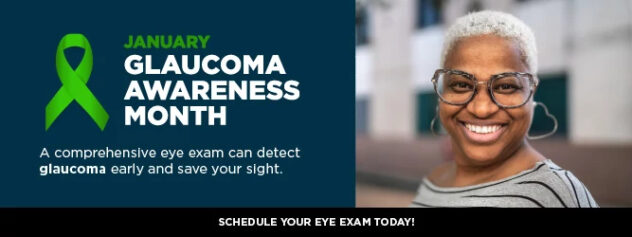
Glaucoma
Age-related macular degeneration (AMD)
Two out of every three people living with blindness or vision problems are women, according to the National Eye Institute. And unfortunately, many women don’t know about this heightened risk and are not doing enough to care for their healthy sight. This can lead to staggering healthcare costs down the road. In an effort to educate the public on the increased risk for women and vision health issues, as well as steps that can be taken to prevent vision loss, April has been declared Women’s Eye Health and Safety Month.
Have questions about your risks? Give us a call so we can help maintain your vision as you grow older.
The next time you’re due for an annual eye exam with us, remember how crucial it is to take care of your overall health. Your body will thank you later!
Here are some healthy vision tips from Dr. Dan an Dr. Tracie
We feel that patients should schedule yearly comprehensive eye exams Seeing an eye doctor regularly will help keep you and your eyes healthy for a lifetime.
Protect your eyes against ultra violet (UV) rays. Living in Hawaii, ts important to wear sunglasses.
Give your eyes a break from digital devices use. Practice the 20/20/20 rule: every 20 minutes take a 20 second break and look at something 20 feet away. Limit your screen time.
Practice good nutrition. Eat your greens. Eat five servings of fruits and vegetables – particularly the leafy green variety. Leafy greens keep your retina helthy.
Practice safe wear and care of your contact lenses. Keep them clean and don’t over wear them too long. Don’t forget to dispose of your contact lens on a regular basis.
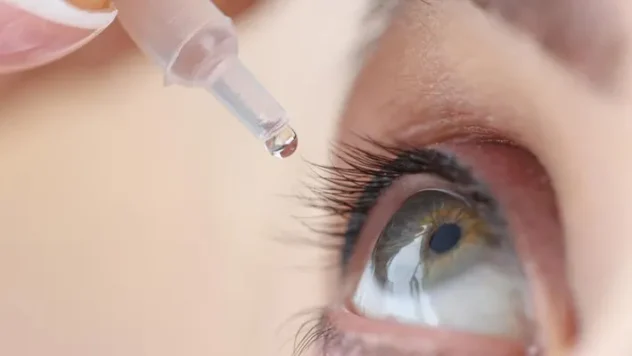
The FDA has issued a warning to consumers to immediately stop the purchase and use of 27 over-the-counter (OTC) eye drop products due to a potential risk for eye infection.
Anyone who owns the recalled eye drops should follow the FDA’s guidelines for throwing the products away, which may involve taking them to a drug take-back site.
Here is the list of all 27 eye drops that are on the warning list.
CVS Health
Lubricant Eye Drops 15 ml (single pack)
Active Ingredient: Carboxymethylcellulose Sodium Eye Drops 0.5%
Lubricant Eye Drops 15 ml (twin pack)
Active Ingredient: Carboxymethylcellulose Sodium Eye Drops 0.5%
Lubricant Gel Drops 15 ml (single pack)
Active Ingredient: Carboxymethylcellulose Sodium Eye Drops 1%
Lubricant Gel Drops 15 ml (twin pack)
Active Ingredient: Carboxymethylcellulose Sodium Eye Drops 1%
Follow the 20-20-20 rule: Take a 20-second break, every 20 minutes and view something 20 feet away.
Blink often: Decrease the chances of dry eyes when using a computer by making an effort to blink frequently.
Keep a distance: We recommend sitting at a comfortable distance from the computer monitor where you can easily read all text with your head and torso in an upright posture and your back supported by your chair. Generally, the optimal viewing distance is between 20 and 28 inches from the eye to the front surface of the screen.
View from a different angle: We feel the computer screen should be 15 to 20 degrees, or about 4 to 5 inches, below eye level as measured from the center of the screen.
Decrease glare: While there is no way to completely minimize glare from light sources, consider using a glare filter. These filters decrease the amount of light reflected from the screen.
Whether you’re goblin or ghoul, vampire or witch, poor costume choices—including decorative contact lenses and flammable costumes—and face paint allergies can haunt you long after Halloween if they cause injury.
Enjoy a safe and happy Halloween by following the guidelines from FDA, the Consumer Product Safety Commission, and the Centers for Disease Control and Prevention:
Wear costumes made of fire-retardant materials; look for “flame resistant” on the label. If you make your costume, use flame-resistant fabrics such as polyester or nylon.
Wear bright, reflective costumes or add strips of reflective tape so you’ll be more visible; make sure the costumes aren’t so long that you’re in danger of tripping.
Wear makeup and hats rather than masks that can obscure your vision.
Test the makeup you plan to use by putting a small amount on the arm of the person who will be wearing it a couple of days in advance. If a rash, redness, swelling, or other signs of irritation develop where the makeup was applied, that’s a sign of a possible allergy.
Check FDA’s list of color additives to see if makeup additives are FDA approved. If they aren’t approved for their intended use, don’t use it.
Don’t wear decorative contact lenses unless you have seen an eye care professional and gotten a proper lens fitting and instructions for using the lenses.Eye Safety
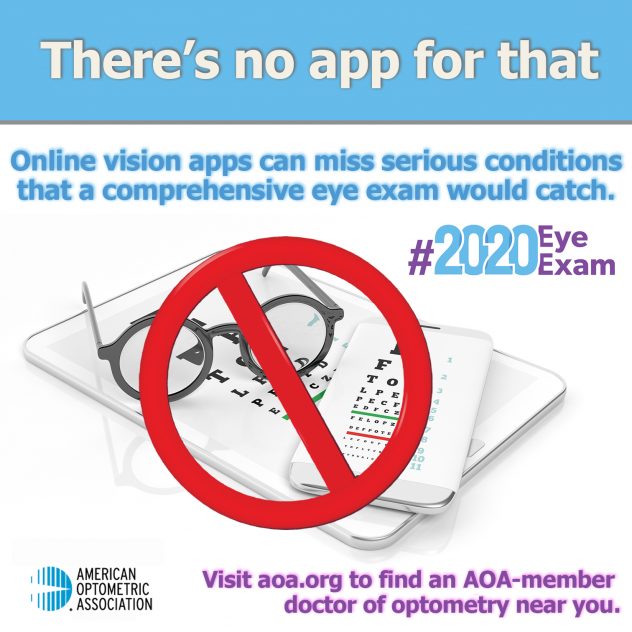
Glaucoma? Cataracts? Diabetic Eye Disease? There’s no app for that. Online vision apps can miss serious conditions that a comprehensive eye exam would catch. #2020EyeExam Schedule your eye exam with Dr. Tracie Inouchi or Dr. Dan.
The American Optometric Association says to eat more fruits and vegetables, particularly green leafy vegetables to support good eye health. Source www.AOA.org
Regular physical activity comes with a lot of great benefits. It can boost your mood, reduce stress, help you stay at a healthy weight — and protect you from serious eye diseases!
If you spend a lot of time at the computer or on your phone, you may forget to blink — and that can tire out your eyes. Try using the 20–20–20 rule throughout the day: every 20 minutes, look away from the screen and focus about 20 feet in front of you for 20 seconds.
Regular physical activity comes with a lot of great benefits. It can boost your mood, reduce stress, help you stay at a healthy weight — and protect you from serious eye diseases!
Remember to schedule your child’s back to school comprehensive eye exam early. September brings a rush of students scheduling appointments and wanting to achieve their best academic work, which means they need to see well. Your child’s eye exam should be part of any back to school checklist.